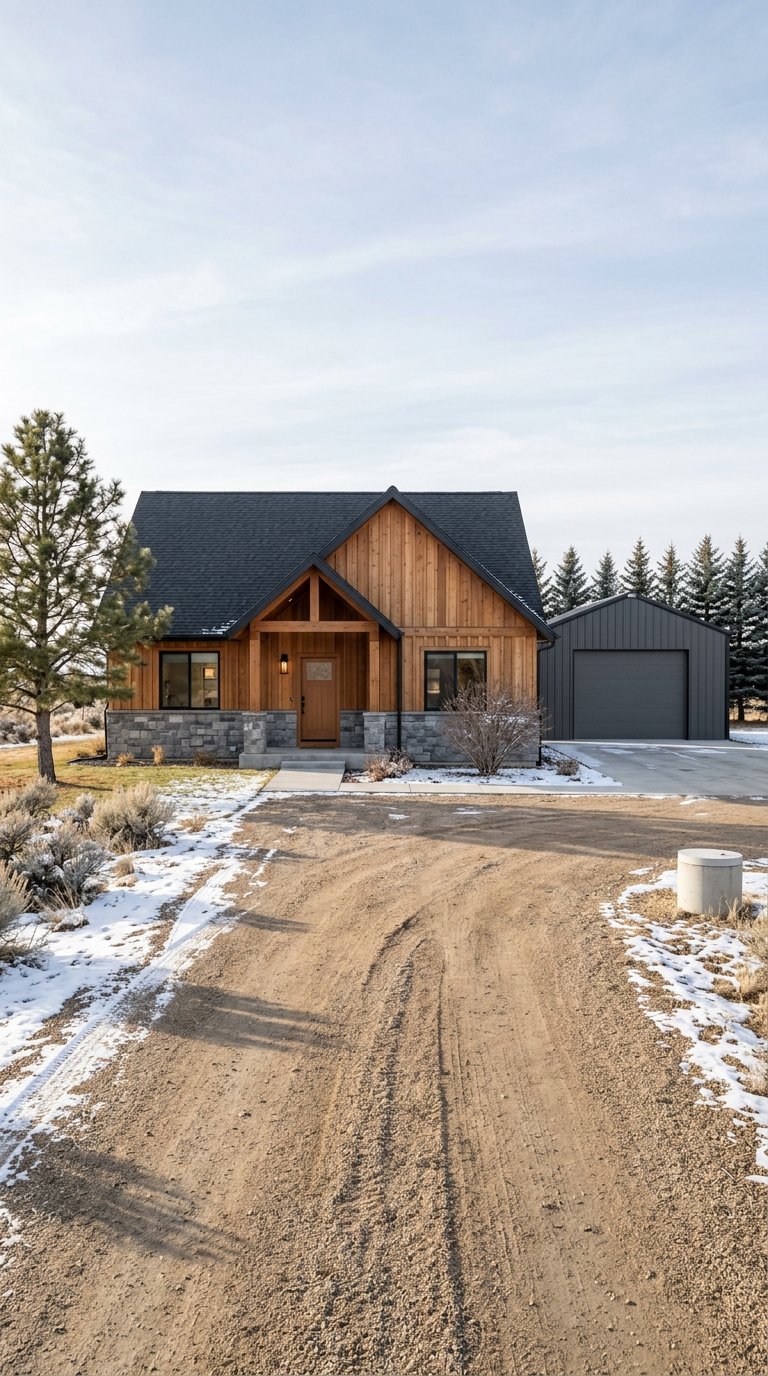
Want a little more elbow room for a shop, RV parking, or a big garden without giving up your Chubbuck or Pocatello routine? You are not alone. Small acreage near town is one of the most requested lifestyle moves in Bannock County, but the details around utilities, wells, septic, and zoning can feel confusing. In this guide, you will learn where to look, what “small acreage” usually means here, which approvals matter, and the key checks to complete before you write an offer. Let’s dive in.
What “small acreage” means here
In the Chubbuck and Pocatello market, small acreage typically means about 1 to 5 acres. You will see plenty of 1.0 to 2.6 acre lots marketed as buildable home sites, plus pockets of 2.5 to 5 acre rural residential parcels. Immediately outside the valley, mountain and bench lots can stretch from 5 to 10 acres or more.
To see how this looks in real time, browse a few current small‑acreage listings in Bannock County. Inventory and prices change quickly, so use these examples to get a feel for sizes and settings rather than to set a budget. Start with a scan of current small‑acreage listings in Bannock County.
Where to look near Chubbuck
Use Chubbuck as your anchor, then widen your search into a few nearby pockets that often offer small acreage. Availability shifts week to week, so think in terms of typical settings and lot sizes.
- Tyhee area. North of Chubbuck you will find rural pockets with a mix of 1 to 3 acre lots and some 2 to 5 acre offerings. Confirm if a parcel is inside city limits or in unincorporated county since that drives utility rules.
- Portneuf Gap to Inkom. South of Pocatello you will see bench and valley parcels with 2 to 5 acre lots and some larger mountain‑view tracts. Hillside settings can change driveway and septic design, so factor that into due diligence.
- Black Pine and foothill benches. East and southeast, you will find view lots that trend larger. Expect private well and septic outside city service areas.
- Planned small‑acreage subdivisions. Around the valley you will see new or recent plats with 1.03 to 1.62 acre lots, along with 2.5 acre examples like Mountain View Estates. CCRs in these communities often set building and animal rules, so review them early.
Lot size alone does not guarantee utilities or buildability. Always confirm water, sewer or septic, access, and any recorded restrictions before you move forward.
City or county: why it matters
Whether a parcel sits inside Chubbuck or Pocatello city limits or in unincorporated Bannock County is the single biggest factor in your path to build. City limits often mean municipal water and sewer may be available, plus city zoning rules and permits. County land means county planning rules apply and you will likely rely on a private well and septic.
Your first step should be a map check. Use the county’s parcel and planning tools to identify jurisdiction, then verify zoning and allowed uses with the correct office. Start with Bannock County Planning and Development, which links to parcel and zoning resources.
Local contacts to line up
- Chubbuck Planning Division. For zoning, setbacks, and subdivision rules, contact the City of Chubbuck Planning Division.
- Pocatello Utilities. For municipal water and sewer availability inside Pocatello, use Pocatello Utility Billing to confirm service at an address.
- County Planning. For unincorporated parcels, the county governs building and land use. Ask about buildability, permits, and any lot‑split paths through Bannock County Planning and Development.
Properties near city edges can be subject to annexation or initial zoning designations. If you are close to a boundary, ask the city planning staff about current annexation requests and how they could affect utilities or setbacks.
Water, wells, and water rights
Here is the quick rule of thumb. Inside city limits, ask city utilities if water and sewer service are available at the lot line. Outside city limits, expect private well and septic, then verify both before you write an offer.
- Wells. Idaho requires a drilling permit and a licensed driller for new wells. Ask for the parcel’s well log and any documented production history. If a new well is needed, confirm permit steps with the IDWR wells program.
- Water rights. Idaho follows prior appropriation and water rights are administered by the state. If you plan to irrigate a pasture or rely on ditch water, request the water‑right numbers in writing and verify them through the IDWR water‑rights research tools. Ask about any needed transfers.
If irrigation ditches cross or border a parcel, ask about shares, assessments, and headgate access. Ditch easements can affect fence lines and access. Local watershed resources document canal footprints and historic irrigation infrastructure in the valley.
Septic basics in Bannock County
Where sewer is not present, the regional health authority manages septic approvals. Before you commit, request existing septic records or order a site evaluation to confirm the soil can support the system type you need. Contact the environmental health team at Southeastern Idaho Public Health for records, permits, and next steps.
A gravity system in well‑draining soils costs much less than a mound or aerobic system that needs more engineering. Final costs depend on soils, slope, and design, so get a contractor estimate after your site review.
Power, gas, and internet
Power and gas availability vary by parcel. Idaho Power is the primary electric provider in the area, and the region has established natural gas service in many neighborhoods. For a large shop or outbuildings, confirm whether three‑phase power is available or if a line extension is required at your address.
Internet access is highly address specific. Close‑in parcels often have cable or fiber available. More remote tracts may rely on fixed wireless or satellite. If remote work or streaming matters to you, check provider tools before you buy.
Timelines and costs to expect
Every parcel is different, which is why quotes matter. Well drilling is priced by depth and geology, and total costs can vary widely. Ask a licensed local driller for recent nearby well logs and a written estimate once you know the target property.
Septic costs depend on system type, soils, and site work. In Idaho, typical installations range from the low thousands into the tens of thousands for more complex systems. A site evaluation will help you get realistic contractor bids for your parcel.
Permitting timelines also vary by scope. Straightforward residential or accessory structure permits can take days to a few weeks when applications are complete. More complex cases like conditional uses or septic variances can take longer. Check current processing times with Bannock County Planning and Development or the relevant city office.
Your small‑acreage due‑diligence checklist
Use this quick checklist to organize your research. Print it and fill it in as you evaluate each parcel.
- Parcel ID and address. Write both down and save them in your notes.
- City or county jurisdiction. Confirm via county parcel tools, then call the correct planning office for allowed uses and setbacks.
- Water and sewer availability. Inside city limits, call utilities to confirm availability at the lot line and any hookup requirements. Outside city limits, request well logs and confirm septic records with SIPH.
- Water‑rights and irrigation. If you plan to irrigate, request written water‑right numbers and irrigation company details, then verify through IDWR search tools. Ask about ditch easements and assessments if a canal crosses the property.
- Septic suitability. If no records exist, order a site or percolation evaluation through SIPH before you finalize terms.
- Soils and topography. Pull the NRCS Web Soil Survey for the parcel and walk the ground to check slope and rock.
- Floodplain. Use the FEMA Flood Map Service Center to see if the parcel is in a designated flood area.
- Access and maintenance. Confirm public versus private road, recorded easements, and any road association or shared maintenance agreement.
- CCRs and HOAs. Request recorded covenants from the county recorder. Look for any animal limits, accessory‑building rules, and architectural or fencing requirements.
- Taxes and assessments. Ask the county assessor about current taxes and any special assessments that may apply.
- Power and internet. Confirm electric service capacity for your intended uses and check at‑address internet availability before you rely on high‑bandwidth plans.
A simple way to compare parcels
When two properties look similar on paper, line up the details side by side. Note the jurisdiction, utility status, well log date and production, septic record number, CCR highlights, access type, and any known assessments. If one has confirmed municipal water and sewer and the other will require a new well and septic, that can shift both total cost and timeline.
How an experienced local guide helps
Small‑acreage decisions blend lifestyle goals with technical details. You want space for a shop or animals, and you also need clear answers on utilities, wells, septic, zoning, and access. A local agent who works land and residential deals can help you order the right records, speak with the right offices, and write offers that protect your interests.
If you are ready to walk parcels, compare options, or want a second set of eyes on your due diligence, reach out to Marek Davis for a friendly, no‑pressure consult. You will get practical guidance rooted in Bannock County and a plan to move forward with confidence.
FAQs
What counts as “small acreage” near Chubbuck and Pocatello?
- Most buyers consider 1 to 5 acres as small acreage here, with some 5 to 10 acre bench or mountain lots just outside the valley.
How do I check if a lot has city water or sewer service?
- First confirm if the parcel is inside city limits, then contact the appropriate utility office to verify service availability at the lot line and any hookup requirements.
What should I know about wells and water rights in Idaho?
- New wells require a permit and licensed driller, and irrigation or larger groundwater uses involve state‑administered water rights that you can research through IDWR tools.
Who handles septic permits in Bannock County?
- Southeastern Idaho Public Health manages onsite wastewater records and permits, and you can request existing files or a site evaluation through their environmental health team.
What about irrigation ditches or canals on a property?
- Ask about irrigation shares, assessments, and headgate access, and expect recorded ditch easements that may affect fences, driveways, or future improvements.
How long do county or city permits usually take?
- Routine residential or accessory structure permits can take days to a few weeks when complete, while conditional uses or variances may require more time and additional review.