Wondering why one Chubbuck home gets strong interest right away while another sits and waits? In a market that looks steady rather than overheated, your price matters from day one. If you want to sell with confidence, the goal is not to chase a headline number. It is to price your home based on real local evidence, your home's condition, and the competition buyers are seeing right now. Let’s dive in.
Why pricing right matters in Chubbuck
Chubbuck's recent market snapshots land in a fairly tight range, but they are not identical. As of late May 2026, Zillow reported an average home value of $388,481 and a median list price of $416,600, Redfin showed a median sale price of $399,760 for the three months ending May 2026, and Realtor.com reported a median listing price of $415,000 in May 2026.
Those numbers are helpful, but they are best used as directional signals. Each source uses different methods and data sets, so you should not treat them as interchangeable. What matters most is how your specific home compares to recent sales and current competition in Chubbuck.
Recent data also suggests Chubbuck is not acting like a runaway seller's market. Realtor.com labeled the market balanced in May 2026, while Redfin showed days on market rising year over year. That means overpricing can cost you attention early, especially when buyers have options.
Start with neighborhood-level comps
A strong price starts with comparable sales, often called comps. The best comps usually have similar physical and legal characteristics, including lot, size, room count, style, and condition. When possible, sales from the same neighborhood are the strongest signal of value.
That matters a lot in Chubbuck because prices can vary meaningfully within the city. Zillow's neighborhood data shows values ranging from about $329,128 in Bridger to about $514,320 in Hillcrest. A citywide average cannot tell you enough about what your home should list for.
If you pull comps from too far away, your pricing can drift off target. A home in one subdivision may compete differently than a similar-looking home across town. The closer the match in location and features, the more reliable the pricing picture becomes.
What good comps should match
When reviewing comps, focus on homes that are similar in the ways buyers care about most:
- Similar square footage
- Similar bedroom and bathroom count
- Similar lot size
- Similar style and layout
- Similar condition and updates
- Similar age or year built
- Similar neighborhood or nearby competing area
If there are not enough same-neighborhood sales, nearby competing areas can help. But those differences need to be weighed carefully, especially in a market with micro-variations.
Look beyond sold homes
Closed sales are important, but they are only part of the story. In a changing or balanced market, active listings and pending sales can reveal where buyers are responding right now.
Think of it this way: sold homes tell you where the market has been, while active and pending homes show where it may be heading. If homes similar to yours are sitting at a certain price point, that may be a warning sign. If similar homes are going pending quickly, that can support a stronger number.
In Chubbuck, Realtor.com reported 103 homes for sale in May 2026 and 57 days on market. Zillow reported homes going to pending in about 35 days, while Redfin showed 42 days on market. The exact pace varies by source, but the message is clear: buyers are moving, just not in a way that supports wishful pricing.
Condition can move value more than you think
Two homes with the same square footage can land at very different prices if one feels move-in ready and the other needs work. Condition is a major part of pricing because buyers notice repairs, updates, wear, and layout appeal immediately.
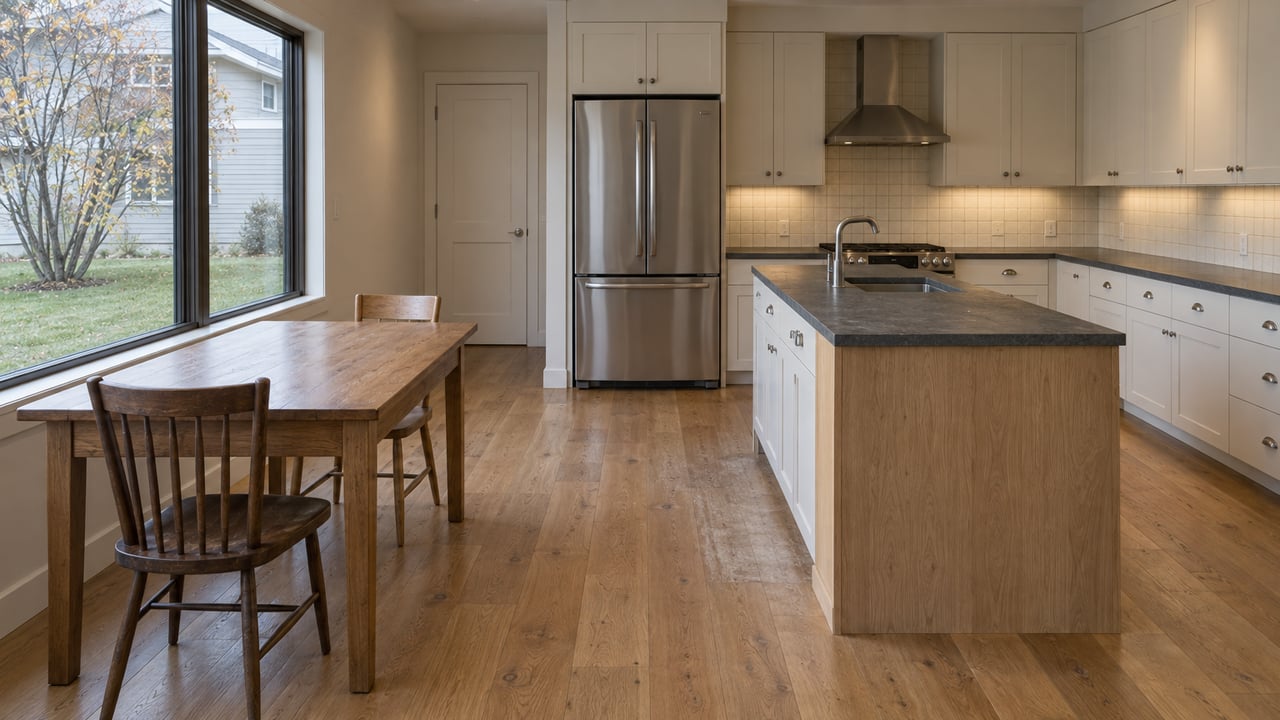
Visible maintenance issues can pull value down. On the other hand, meaningful updates may support a stronger price if they are relevant to what buyers in your area want. A remodeled kitchen, updated flooring, or a better-maintained exterior can change how your home stacks up against nearby listings.
Still, not every project adds equal value. Cosmetic changes may help presentation, but they do not always justify a large pricing jump on their own. The key is to compare your home's condition honestly against the homes buyers are viewing in the same price band.
Features that may affect your price
Some details broad market averages often miss include:
- Recent kitchen or bath remodels
- Deferred maintenance
- A superior lot or view
- Cul-de-sac placement
- Garage size or storage
- Outdoor living space
- Functional layout differences
These details can influence how buyers perceive value. That is why pricing should reflect your exact property, not just a citywide median.
Treat online estimates as a starting point
Online home estimates can be useful for a quick snapshot, but they should not set your final list price. Zillow says its Zestimate is an automated estimate, not an appraisal, and not a substitute for one.
Automated tools depend on the quality and amount of data available. They may miss unreported additions, remodels, or condition issues. They can also draw from a broad geographic area, which makes them less precise for a specific home in a specific Chubbuck subdivision.
That means a Zestimate can help you begin the conversation, but it should not end it. If your home has a remodeled interior, a better lot, or obvious repair needs, a local comparative market analysis will usually tell a more accurate story.
Do not confuse tax value with market price
This is a common mistake for sellers. Bannock County property owners receive annual assessment notices in early June that show market value for tax purposes, but that is not the same thing as a list price strategy.
Idaho law requires property to be assessed at market value for taxation, and annual ratio studies compare assessed values with sale prices. Even so, an assessment is part of a tax process, not a real-time marketing decision. Your list price should reflect current comps, competition, and condition, not just the number on an assessment notice.
A practical pricing workflow for Chubbuck sellers
If you want a smart starting point, follow a disciplined process instead of picking a number that simply feels right. Good pricing blends local data with property-specific judgment.
Step 1: Review recent sold comps
Start with homes that sold recently in your neighborhood or the closest competing area. Look for homes with similar size, layout, age, and condition. This gives you the clearest baseline for what buyers have actually paid.
Step 2: Study active and pending competition
Next, compare your home to listings buyers can see right now. If similar homes are priced lower and look stronger, your home may need a sharper price. If similar homes are going pending quickly, that may support confidence in your range.
Step 3: Adjust for condition and upgrades
Then make honest adjustments. If your home has major updates, strong curb appeal, or a better lot, that may support a higher price than a basic comp. If it has deferred maintenance or dated finishes, your pricing should reflect that too.
Step 4: Check market pace
Finally, look at how quickly homes are moving. With current Chubbuck data showing a balanced market and varying days-on-market snapshots, pricing for early attention is especially important. A home that launches too high may lose momentum before the right buyers even take it seriously.
Common pricing mistakes to avoid
Even experienced sellers can get pricing wrong when emotion takes over. Here are some of the most common traps:
- Using only an automated estimate instead of a local CMA
- Choosing a price based on tax assessment alone
- Ignoring condition, repairs, or dated finishes
- Pulling comps from too far away
- Pricing above nearby competition without a clear reason
- Assuming citywide averages apply to every subdivision
The best pricing decisions are evidence-based. In a market like Chubbuck, that often makes the difference between strong early activity and a listing that lingers.
Price for the market you have
The right list price is not about leaving money on the table. It is about meeting the market with a number buyers can understand and support. In a balanced Chubbuck market, that usually means being precise, realistic, and local.
When you price from neighborhood comps, current competition, and your home's actual condition, you give yourself the best chance to attract serious buyers. That approach helps protect your time, reduce guesswork, and position your home to stand out for the right reasons.
If you want help pricing your home with local context and a practical plan, connect with Marek Davis to schedule a consultation.
FAQs
How should you price a home in Chubbuck, Idaho?
- Start with recent sold comps in your neighborhood, compare active and pending listings, and adjust for your home's condition, updates, and lot features.
Are online home estimates accurate for Chubbuck home pricing?
- Online estimates can be useful as a starting point, but they may miss updates, repairs, and subdivision-level differences, so they should not be your only pricing tool.
Is Bannock County assessed value the same as market value for listing a home?
- No. An assessed value is used for property tax purposes and is not the same as a real-time list price based on current market conditions.
Is Chubbuck a seller's market right now?
- Recent May 2026 data points to a balanced market, which means pricing needs to line up with current buyer demand and nearby competition.
Why do home values vary within Chubbuck neighborhoods?
- Chubbuck has meaningful micro-market differences, so pricing can change based on subdivision, lot, condition, and the nearby homes buyers are comparing against.