If you love homes with personality, Pocatello gives you more than a row of old houses. It gives you a living map of rail history, early neighborhood growth, and architecture that still shapes how the city feels today. Whether you are looking for a character home, thinking about future updates, or just trying to understand which historic area fits your lifestyle, this guide will help you see what makes Pocatello’s older neighborhoods stand out. Let’s dive in.
Why Pocatello’s historic areas stand out
Pocatello’s historic fabric is broader than many buyers expect. Instead of one single old-home district, the city’s preservation plan identifies seven National Register historic districts: the Pocatello Historic District, Idaho State University Neighborhood Historic District, East Side Downtown Historic District, Pocatello Warehouse Historic District, Westside Residential Historic District, Lincoln-Johnson Avenues Residential Historic District, and Old Town Residential Historic District.
That matters because your home search here is often about choosing a setting as much as choosing a house. Some districts are mostly residential, some are more commercial, and some blend homes, institutions, and downtown-era buildings in a way that reflects Pocatello’s railroad roots and university growth.
The city also supports that history in practical ways. Pocatello has a Historic Preservation Commission, a downtown design-standard review process, and seven self-guided historic walking tours that make it easy to explore the character of different areas before you commit to a move.
Old Town homes and styles
Old Town Residential Historic District is one of the clearest places to see Pocatello’s layered housing history. The district covers roughly six blocks within the Original Pocatello Townsite, with the earliest homes dating to 1892 and most built between 1900 and 1941.
If you like variety, Old Town has it. The district includes Queen Anne, Craftsman, Tudor Revival, Moderne, Minimal Traditional, Ranch, and vernacular homes, along with properties that show how neighborhoods changed over time as later homes were built on lots that already held earlier structures.
That layered pattern is part of the appeal. You are not looking at a neighborhood frozen in one decade. You are seeing a place that grew with the city, close to the commercial center and railroad yards, where many middle-class professionals, business owners, and railroad managers once lived.
University Neighborhood character
The University Neighborhood Historic District, also called the College Neighborhood, offers a different feel. The city describes it as Pocatello’s least altered historic residential area, and its homes reflect early 20th-century expansion from about 1900 through 1942.
Architecturally, this area gives buyers another broad mix to explore. You can find Colonial Revival, Cape Cod, Dutch Colonial, Federal Revival, Prairie, and Bungalow examples, which creates a street-by-street variety that many character-home buyers appreciate.
The setting is a big part of the draw. City materials describe quiet streets lined with mature trees, with a layout that encourages walking and biking, so the neighborhood appeals to buyers who want historic style and an everyday, connected feel.
Downtown historic character
Not every historic district in Pocatello is mainly residential, but downtown still plays a major role in the city’s housing story. The East Side Downtown Historic District reflects early mixed-use growth and rail-era development, with a largely intact commercial streetscape from 1900 to 1940.
Here, the visual character comes from details like brick, stone, terra cotta ornament, stepped brickwork, cornices, and double-hung sash windows. Even if you are shopping for a home nearby rather than a commercial property, these buildings shape the feel of the surrounding historic area.
The broader downtown historic district adds even more depth. Spanning about eighteen blocks, it includes mostly one- and two-story commercial buildings built with brick, hand-hewn stone, and terra cotta, with styles such as Gothic Revival, Romanesque Revival, Sullivanesque, Art Deco, and early 20th-century commercial design with classical details.
What buyers often love most
For many buyers, historic neighborhoods are not just about architecture. They are about how a place feels when you spend time there. In Pocatello, that often means walkable blocks, visible history, and quick access to downtown activity.
The University Neighborhood is noted for streets that invite walking and biking. Old Town is associated with historic streetscapes, landscaped pockets, lit trees, and proximity to local landmarks such as Station Square, the Eagles Building, the Marshall Public Library, and the Portneuf Greenway.
Downtown adds another layer of daily convenience and activity. Historic Downtown Pocatello describes the area as home to more than 200 locally owned small businesses, along with shopping, dining, entertainment, public art, and free daytime parking.
For buyers thinking beyond the block itself, the city also highlights amenities that support everyday life and recreation. These include Idaho State University, 32 parks, the Museum of Natural History, trail access, a Nordic Center, mountain biking and hiking trails, a skate park, and Zoo Idaho.
Key housing styles to know
When you tour historic parts of Pocatello, it helps to know what you are looking at. You do not need to be an architecture expert, but understanding the basic style mix can make it easier to compare homes and notice original features.
Common styles noted in Pocatello’s historic districts include:
- Queen Anne, often recognized by more decorative detailing and complex shapes
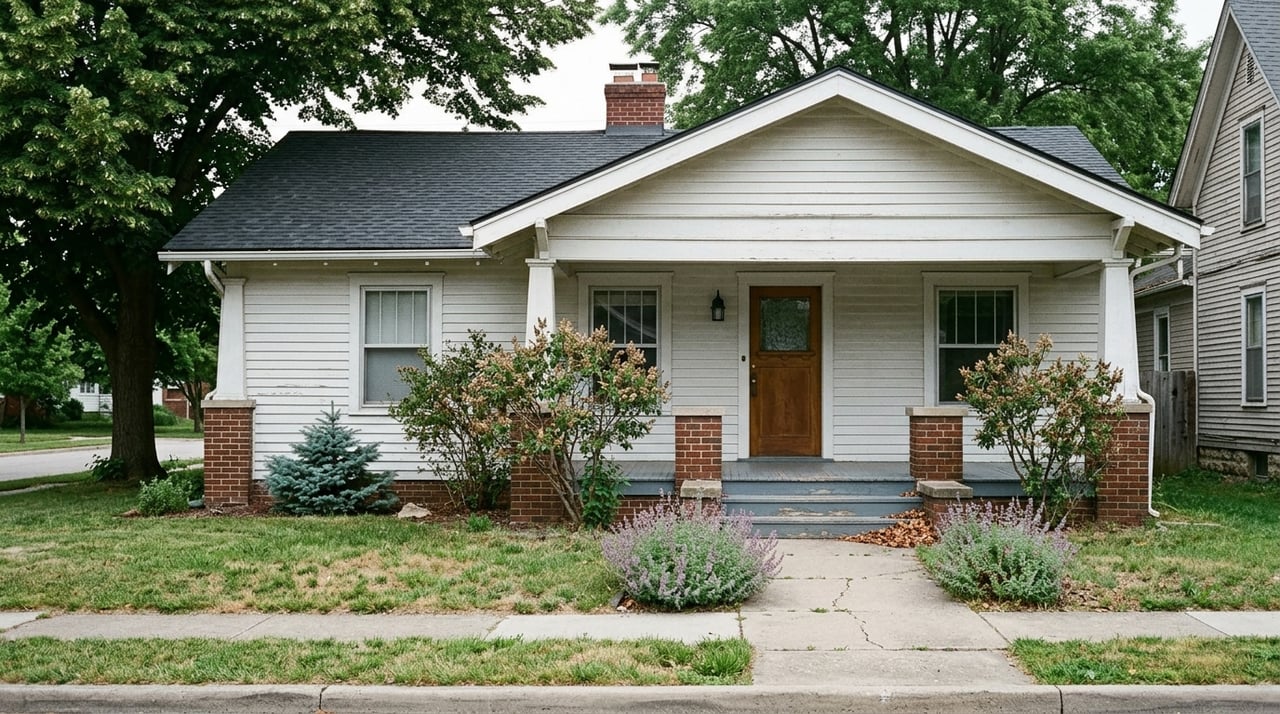
- Craftsman, known for practical design and handcrafted character
- Tudor Revival, often identified by distinctive historic-inspired exterior elements
- Moderne, which points to later early-20th-century design trends
- Minimal Traditional, usually simpler in form and detail
- Ranch, which appears in some later historic-period development
- Colonial Revival, Cape Cod, Dutch Colonial, and Federal Revival, especially in the University Neighborhood
- Prairie and Bungalow examples, which add to the district’s variety
In commercial historic areas, you will also see materials and styles that influence the overall streetscape, including Art Deco, Romanesque Revival, Gothic Revival, and classical commercial detailing.
What to know before buying
Charm is only part of the equation when you buy an older home. In Pocatello, the practical side matters just as much, especially if the property is inside a designated historic district.
The city says that National Register listing by itself does not place federal restrictions on a private owner. But Pocatello’s local overlay does require a certificate of appropriateness before exterior alterations, demolition, new construction, or signage within a designated historic district.
That means you should look closely at your plans before you buy. If you hope to change windows, siding, additions, or other exterior features, it is smart to confirm whether the home is in a designated district and what local review may apply.
Outside a designated historic district, the city says it generally does not apply architectural review or other design requirements. That distinction can be important if you love older homes but want more flexibility for future exterior projects.
How historic value is often judged
In Pocatello, historic value is tied to more than age. The city’s preservation criteria focus on factors such as character, historic associations, architectural style, craftsmanship, singular location, visual character, and other historic qualities.
For you as a buyer, that creates a useful lens when comparing homes. Properties often stand out based on how much original character remains, how well later updates fit the home, and how clearly the house contributes to the streetscape around it.
This is one reason two homes of a similar age can feel very different in value and appeal. A house that still reads clearly as an authentic example of its style may offer a different experience than one where major exterior changes have altered that identity.
How to explore before you buy
One of the best things about Pocatello’s historic areas is that they are easy to get to know in person. The city now offers seven self-guided historic walking tours covering Downtown, Eastside Downtown, Old Town Residential, University Neighborhood, Warehouse, Westside Residential, and the Neon Walking Tour.
That gives you a low-pressure way to explore before you start making offers. You can walk the streets, notice the condition of homes, compare block-to-block character, and decide whether you are drawn more to Old Town’s layered development, the University Neighborhood’s residential consistency, or the energy around downtown.
If you are buying with both lifestyle and long-term value in mind, this kind of firsthand touring can be especially helpful. Historic neighborhoods are as much about setting, rhythm, and everyday use as they are about square footage.
Why these neighborhoods keep their appeal
Pocatello’s historic neighborhoods continue to attract attention because they offer more than nostalgia. They combine architecture, walkability, civic landmarks, and a downtown core that still works as an active commercial center.
For some buyers, that means finding a home with original character near downtown life. For others, it means living on a mature, established street with access to parks, trails, and the broader amenities that make Pocatello easy to enjoy year-round.
If you are weighing a historic home in Pocatello, the best next step is to pair the emotional side of the search with a clear local strategy. Working with someone who understands the city’s neighborhoods, housing styles, and district rules can help you move forward with confidence. When you’re ready to explore historic homes, compare neighborhoods, or talk through your options, schedule a consultation with Marek Davis.
FAQs
What historic neighborhoods should home buyers explore in Pocatello?
- Pocatello’s preservation plan identifies seven National Register historic districts, with Old Town Residential and the University Neighborhood often standing out for buyers focused on historic homes.
What housing styles can buyers find in Pocatello’s historic areas?
- Buyers can find styles such as Queen Anne, Craftsman, Tudor Revival, Moderne, Minimal Traditional, Ranch, Colonial Revival, Cape Cod, Dutch Colonial, Federal Revival, Prairie, and Bungalow, depending on the district.
What should buyers know about remodeling a historic home in Pocatello?
- In a designated historic district, exterior alterations, demolition, new construction, and signage generally require a certificate of appropriateness through the city’s local review process.
What makes the University Neighborhood Historic District appealing in Pocatello?
- The area is described by the city as Pocatello’s least altered historic residential neighborhood and is known for mature trees, a wide mix of early 20th-century styles, and streets that support walking and biking.
What makes Old Town Residential Historic District unique in Pocatello?
- Old Town shows layered development from the 1890s through 1941 and includes a wide range of architectural styles near the original townsite, downtown, and rail-era landmarks.
How can buyers tour Pocatello’s historic districts before purchasing?
- The city offers seven self-guided historic walking tours, which can help you compare neighborhood character, streetscapes, and overall setting before you buy.