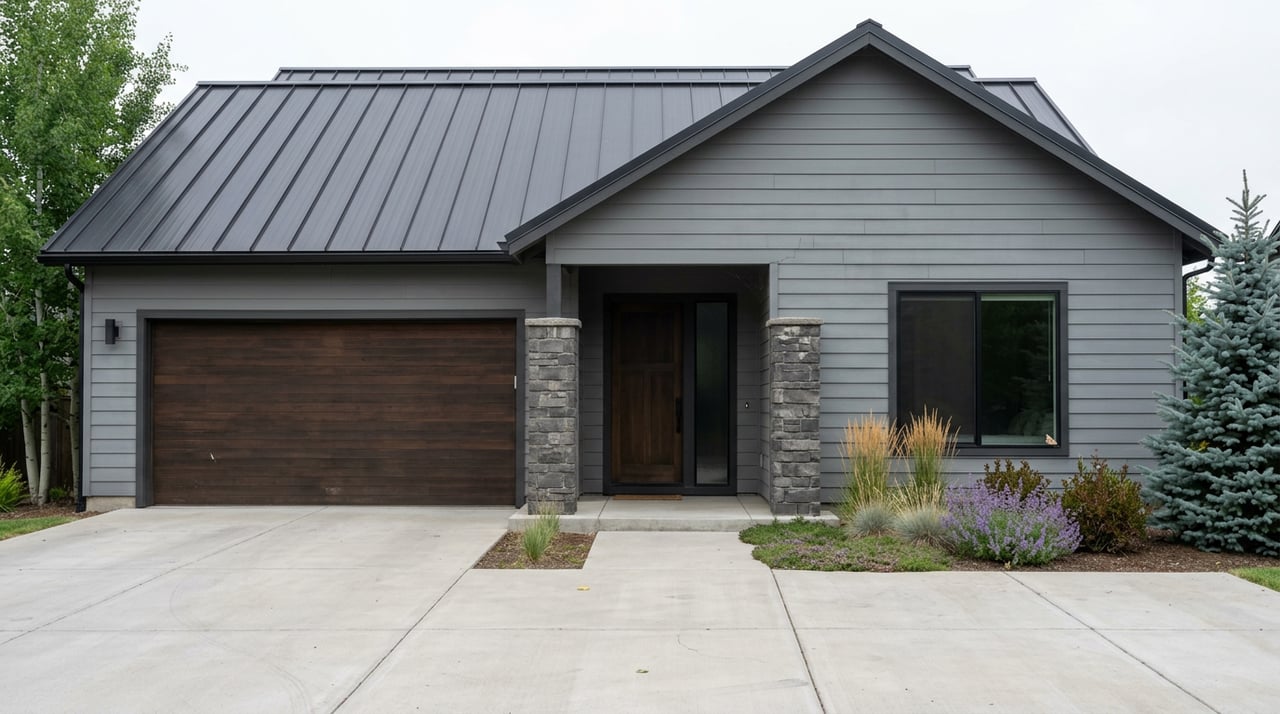
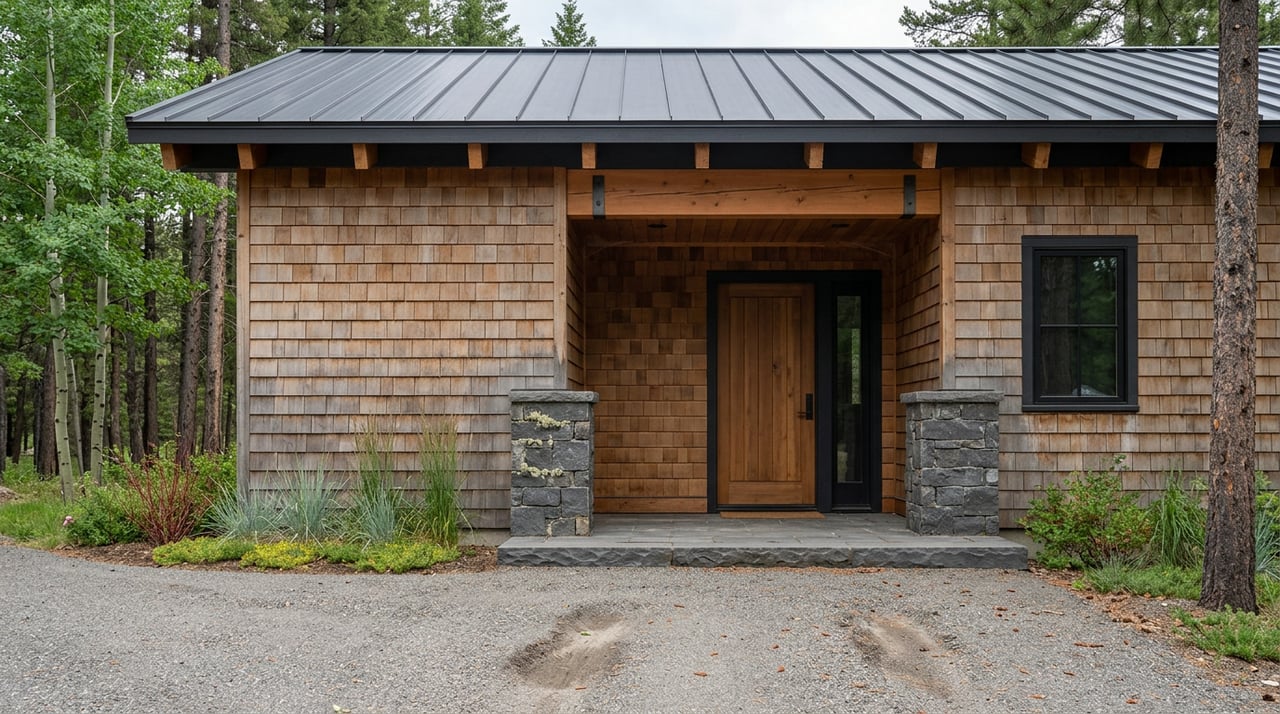
You are three weeks from closing on a cabin off Yale-Kilgore. The listing photos show a wraparound deck, the ADR spreadsheet from your lender's app pencils out, and the seller's disclosure is short. Then the title company sends over the CCRs, and you find out the subdivision quietly caps nightly rentals at 30 days minimum, which is not a short-term rental at all.
That story is more common in Island Park than in almost any other Idaho market, and it happens because most buyers underwrite the property against the wrong document. The MLS sheet is not the binding constraint here. Neither is the county code. The binding constraints are the subdivision covenants, the private road contract, and the septic and well reports the county requires with a rental permit. Miss any of the three and you have bought a different asset than the one you modeled.
The statute everyone quotes, and what it doesn't override
Idaho's short-term rental protections come from Idaho Code 67-6539, which prevents any county or city from enacting an ordinance that prohibits short-term rentals. That is the sentence buyers hear from their agent, their lender, and the STR investment forums. It is accurate, and it is also incomplete.
The statute preempts local government. It does not preempt private contract law. HOA declarations, subdivision CCRs, and deed restrictions all remain fully enforceable, and in Island Park those documents were often written in the 1970s and 1980s when nightly rental was not on anyone's mind. Some subdivisions welcome it. Others impose 30-day minimums, cap guest counts far below what the cabin sleeps, or ban commercial use of the road easement entirely. Two cabins on the same lake, on the same day, at the same price per square foot, can have completely different rental ceilings.
The three documents that decide what your cabin is actually worth
Before you remove the inspection contingency, read these in this order:
- The recorded CCRs for the subdivision. Not the HOA welcome packet. The recorded document, pulled from Fremont County. Look for rental language, minimum stay language, and any reference to "commercial use" of the property.
- The Fremont County transient lodging permit file on the address. If the seller has been renting, the permit will exist and the two-year septic and well inspection results will be attached to it. If the seller has been renting without one, that is a diligence red flag and a compliance liability you may inherit.
- The private road maintenance agreement. In most Island Park subdivisions the road is not county-maintained. Someone is paying a private contractor. Find out who, how much, and whether the agreement is recorded against the parcel or handled by voluntary dues.
If any of those three documents is missing or vague, that is your negotiating leverage, not the seller's.
Reading the seasonality like a lender does
Island Park's rental economics look strong until you disaggregate them by month. According to Rabbu's April 2026 data, the average daily rate sits around $353, well above Idaho's roughly $277 state average, and larger cabins in the six-bedroom range command closer to $652 per night. That is the number STR marketing pages lead with.
Here is the number lenders lead with:
| Month | Approx. gross revenue per listing |
|---|---|
| July (peak) | ~$13,285 |
| November (trough) | ~$1,449 |
| Annual occupancy average | ~29% |
Revenue swings roughly nine-to-one between summer and shoulder. Occupancy sits below the Idaho state average of about 41%. A lender underwriting your DSCR loan is going to haircut the summer months, apply a vacancy factor tied to the state average rather than the July peak, and quietly discount the pro forma the seller handed you. If your offer only works at July numbers, your offer only works six weeks a year.
Median list price in Island Park was around $859,000 in May 2026 with a median 62 days on market, per Movoto's public market snapshot, and price per square foot was down roughly 4% year over year. That is a market where sellers are still asking peak-cycle numbers, buyers are underwriting more conservatively, and the gap gets closed at the inspection table.
The inspections that come with the permit
If you plan to rent the cabin, Fremont County's transient lodging permit is not optional, and the permit is not just a form. Reporting from the Idaho Capital Sun documented a two-tier structure: a Class 1 permit runs $200 for properties hosting up to 15 guests, and a Class 2 permit runs $500 for 16 to 30 guests. Both require septic and well inspections every two years.
The county's planning administrator estimated roughly 600 permitted cabin rentals against a possible universe of closer to 1,000 operating in the area, meaning a meaningful share of active rentals in the market are running without a current permit.
That gap matters to you as a buyer for two reasons. First, an unpermitted seller has no verified septic or well documentation, which means you are ordering those tests yourself, on your dime, before you know whether the system passes. Second, when you take title and pull the permit, any deferred septic work becomes your problem, not the previous owner's. Ask for the permit file. If it does not exist, price the well and septic work into your offer.
Winter access is a disclosure item, not a footnote
Some Island Park listings, particularly in Henderson Pines and the higher-elevation subdivisions off Sawtelle, quietly note that winter access is "by tracked vehicle only." Read that literally. It means from roughly mid-December through April the cabin is reachable by snowmobile or snowcat, not by truck. It also means your homeowners insurance carrier is going to ask questions, your lender may require year-round legal access for certain loan products, and your rental income for five months of the year is capped by whatever guests are willing to pack in on a sled.
That is not a defect. Many buyers want exactly that kind of property. It is a defect only when the buyer did not know, and it turns up in the closing week when the appraiser flags it or the insurance binder comes back with an exclusion.
Snow removal is a private contract, subdivision by subdivision
Fremont County plows US-20 first and the primary county roads after that. The interior roads inside subdivisions like Centennial Shores, Silverhawk Estates, Goosebay, Buffalo River Estates, and Aspen Ridge are handled by private contractors on contract with the HOA or the road association. Island Park Services, operating out of 3553 Yale-Kilgore Road since 1996 and under new ownership as of 2024, runs the commercial-grade rotary blowers rated to move up to 1,500 tons per hour that keep several of those subdivision roads open through heavy-snow winters.
Ask the seller which contractor plows the subdivision, what the annual assessment is, and whether the contract covers your driveway or only the shared road. In cabin markets this is a five-figure lifestyle variable that never appears on the MLS sheet.
The offer-stage checklist
Before you sign, confirm in writing:
- The recorded CCRs, with rental provisions highlighted
- The subdivision's rental permit history, if the HOA tracks it
- The current Fremont County transient lodging permit and the last two septic and well inspection reports
- The private road maintenance agreement and current annual assessment
- Winter access classification, in writing from the seller or the HOA
- Any pending special assessments for road, well share, or common facility work
- Fire district and defensible-space status, verified with the Island Park Ranger Station at 208-558-7301
FAQ
Does state law guarantee I can rent my cabin nightly? It prevents Fremont County from banning nightly rental outright, but it does not override private CCRs or HOA rules. Check the recorded covenants before you assume the answer.
How much should I budget for septic and well inspections at purchase? Budget for a full septic pump, inspection, and dye test plus a well flow and potability test regardless of what the seller provides, because the permit renewal will require current documentation every two years anyway.
Why is my lender discounting the STR income the listing agent showed me? Because Island Park's revenue is heavily concentrated in roughly June through September, and lenders underwrite against annual occupancy, which sits well below the Idaho state average. A conservative haircut is not skepticism, it is how the deal actually gets funded.
If you are shopping Island Park right now, or already under contract and want a second read on the CCRs and permit file before your inspection period ends, the team at Marek Davis can walk the documents with you subdivision by subdivision. Schedule a consultation before you remove contingencies, not after.