Dreaming about a cabin in Island Park usually starts with the view. Then the real questions show up. Will you use it year-round, how hard is winter, and what does everyday ownership actually feel like? If you are thinking about buying here, it helps to look past the photos and understand the rhythm of the place. Let’s dive in.
Island Park Feels Like Base Camp
Island Park does not feel like a typical town. The incorporated city had 193 residents in the 2020 Census, while the broader Island Park census county division counted 1,517 people. That small, spread-out feel is part of the appeal, especially if you want a place that feels scenic, seasonal, and removed from the pace of daily city life.
The city describes Island Park as a long corridor built along the old Highway 191 bed. Instead of a compact downtown, you will find a linear mix of lodges, restaurants, gas stations, tackle shops, RV rentals, reservoirs, streams, and forested scenery. For many buyers, owning a cabin here feels more like owning a home base for outdoor recreation than owning in a traditional neighborhood setting.
Cabin Ownership Is Often Seasonal
One of the clearest things to know is that Island Park cabin ownership is commonly tied to second-home living. The local chamber says the market primarily involves part-time residents buying second homes. That does not mean year-round living is impossible, but it does mean many owners use their property for getaways, extended seasonal stays, or a mix of personal use and rental use.
That seasonal pattern shapes the entire ownership experience. Your cabin may be less about commuting and routine errands and more about planning weekends, holiday trips, fishing seasons, and snowmobile weekends. If that sounds appealing, Island Park tends to deliver exactly that kind of lifestyle.
The Four-Season Lifestyle Is Real
Summer Brings Water and Trails
Summer in Island Park centers on lakes, rivers, and public land access. Henrys Lake State Park draws visitors for cutthroat, brook, and cut-bow hybrid trout, along with hiking, biking, boating, wildlife viewing, and cabin stays. Island Park Reservoir adds even more activity with its 7,000 acres, 64 miles of shoreline, and year-round fishing.
This is one reason cabin ownership here feels so active. You are not buying into a one-season destination. You are buying access to boating, fishing, hiking, water sports, and time outdoors across a broad recreation area.
Yellowstone Is Close, But Not The Whole Story
Island Park benefits from its location near Yellowstone National Park, but the area offers much more than a stop on the way there. Henrys Lake State Park is 15 miles from Yellowstone, and state tourism sources highlight nearby access to Harriman State Park, Big Springs, Mesa Falls, and river recreation. That variety gives Island Park a broader identity than a simple gateway market.
For you as an owner, that means more ways to use the cabin. One trip might be built around the park, while the next could focus on fishing, trail time, or simply relaxing by the water. The area supports a cabin lifestyle with options, not just one headline attraction.
Winter Changes Everything
Winter is not a side season in Island Park. In many ways, it is one of the main reasons people buy here. Idaho Parks and Recreation identifies Ashton and Island Park as a snowmobile area with elevations from 6,600 to 9,000 feet, a prime season from December through April, more than 500 miles of groomed trails, and connections to another 800 miles in West Yellowstone and Wyoming.
That creates a very different personality in winter. Summer is about water, open roads, and long days outside. Winter shifts toward snowmobiling, ice fishing, trail travel, and a more snow-centered routine that many owners specifically want.
Climate Shapes The Ownership Experience
Island Park sits at elevation, and the weather matters. NOAA data from the Island Park station at 6,290 feet shows a mean annual temperature of 36.8°F, with average January highs of 26.5°F and average July highs of 77.1°F. The area also sees about 28.82 inches of precipitation annually.
In plain terms, this is a place where winter arrives early, summer is pleasant but short, and shoulder seasons matter. That is part of the cabin charm, but it also affects maintenance, planning, and how often you may use the property. The weather is not background scenery here. It is part of the ownership equation.
Daily Life Is More Practical Than It Looks
A cabin in Island Park can feel peaceful and simple, but ownership has real logistics behind it. Public transportation is limited, and local tourism sources note that driving is the best way to get around. Because the area stretches along the highway corridor, basic tasks can depend on where your cabin sits and how easy it is to reach in different seasons.
That matters when you think about snow removal, service calls, deliveries, and how often you plan to come up. A property that looks perfect on a summer showing may feel very different after a winter storm. In Island Park, convenience is often less about distance on a map and more about actual seasonal access.
Winter Access Can Make Or Break A Cabin
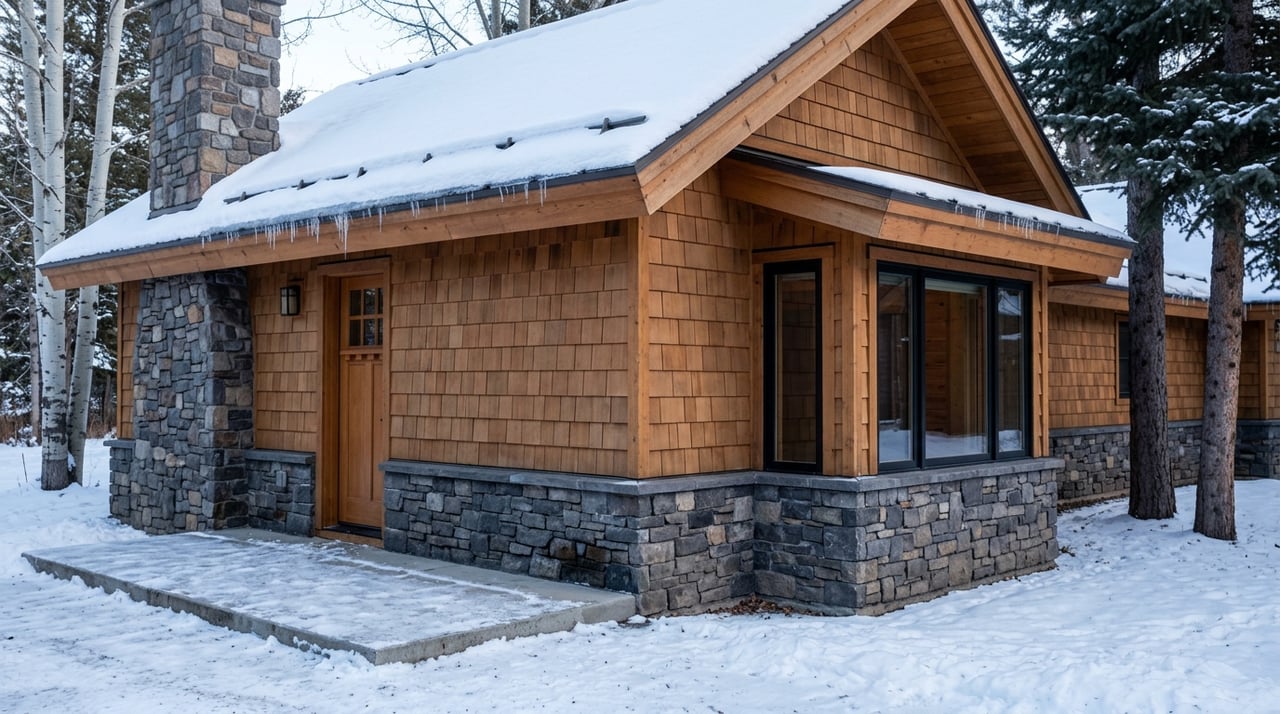
If there is one practical issue to take seriously, it is snow. Henrys Lake State Park notes that the area can receive heavy snowfall and wind, although roads and parking areas there are plowed and the park stays open in winter. That is a helpful reminder that access is highly specific to the property and the road serving it.
When you look at a cabin, winter questions should be front and center. How is the road handled? What about the driveway? Is there enough parking and space for snow storage? Those are not minor details in Island Park. They are part of what makes a cabin easy to enjoy or hard to manage.
Renting A Cabin Comes With Rules
Many buyers ask whether an Island Park cabin can be used as a rental. Often, yes, but the city code shows that short-term or transient rental use is not casual. Requirements may include occupancy limits tied to septic review or square footage, off-street parking, on-site snow storage, a conspicuous contact person within a 30-minute drive, and bear-resistant solid-waste storage or an enclosed building.
The code also notes that rentals without snow storage may be limited to reasonable summer and fall use. That tells you something important about the market. Rental potential can be real, but it is tied to property setup, local compliance, and practical operations.
Stewardship Is Part Of The Lifestyle
Forest setting is a huge part of Island Park’s appeal, but it also comes with responsibility. The U.S. Forest Service notes that homes in the wildland-urban interface face wildfire risk and emphasizes defensible space around structures. Idaho’s Department of Lands also issues seasonal fire restriction guidance for private land outside incorporated areas.
In everyday terms, cabin ownership here asks you to think like a steward. You are not just buying a view. You are taking care of a property in a climate- and landscape-driven setting where snow, vegetation, access, and waste management all matter.
The Biggest Tradeoff Is Worth Understanding
The best part of owning a cabin in Island Park is also what makes it different. You get direct access to a four-season outdoor lifestyle with lakes, rivers, trails, winter recreation, and easy reach to major regional attractions. It can feel like having your own Idaho base camp.
The tradeoff is that ownership is more hands-on than a typical suburban second home. Winter access, plowing, upkeep, rental rules, and seasonal planning all matter more here. For the right buyer, that is not a downside. It is simply the price of owning in a place that delivers a true mountain recreation experience.
Who Island Park Fits Best
Island Park tends to be a strong fit if you want a second home built around lifestyle first. It works well for buyers who value fishing, boating, snowmobiling, trail access, and a place that changes with the seasons. It also appeals to people who understand that a cabin can be both a retreat and a property that requires active planning.
If you are looking for a conventional town experience with easy year-round routine and simple maintenance, Island Park may feel more demanding. But if you want a scenic, recreation-focused getaway with real four-season character, it offers something hard to match in Eastern Idaho.
If you are weighing cabins, lake homes, or recreational property in Island Park, local guidance can save you time and help you focus on the properties that truly match how you plan to use them. When you are ready to talk through the lifestyle, the tradeoffs, and what to watch for in a specific property, schedule a consultation with Marek Davis.
FAQs
Is owning a cabin in Island Park usually for full-time living or a second home?
- In many cases, it is more of a second-home market, with the local chamber noting that part-time residents buying second homes are a major part of the area.
Can you rent out a cabin in Island Park?
- Often yes, but Island Park’s code includes requirements related to permits, occupancy, septic review or square footage, parking, snow storage, a nearby contact person, and waste storage.
What is winter like for cabin owners in Island Park?
- Winter is a major part of the lifestyle, with heavy snowfall, wind, and strong snowmobile activity from December through April in the broader area.
What outdoor activities are near cabins in Island Park?
- Owners often enjoy fishing, boating, hiking, biking, wildlife viewing, snowmobiling, ice fishing, and access to nearby destinations like Henrys Lake, Island Park Reservoir, Harriman State Park, Big Springs, Mesa Falls, and Yellowstone access points.
What is the biggest challenge of owning a cabin in Island Park?
- The biggest practical challenge is often seasonal access and maintenance, especially snow removal, driveway usability, parking, and ongoing upkeep in a forested, high-elevation setting.