Thinking about a brand-new home in Chubbuck? You are not alone. For many buyers, new construction offers a chance to get modern features, lower near-term maintenance concerns, and a layout that fits the way you live today. If you are weighing your options, this guide will help you understand what is being built, how the local process works, and what details matter most before you commit. Let’s dive in.
Why Chubbuck draws new-home buyers
Chubbuck is a city of about seven square miles, with an estimated population of 15,900 in 2023. Its 2045 comprehensive plan also notes a 74.5% owner-occupied housing rate from 2019 through 2023, which gives helpful context for buyers looking at long-term homeownership in the area.
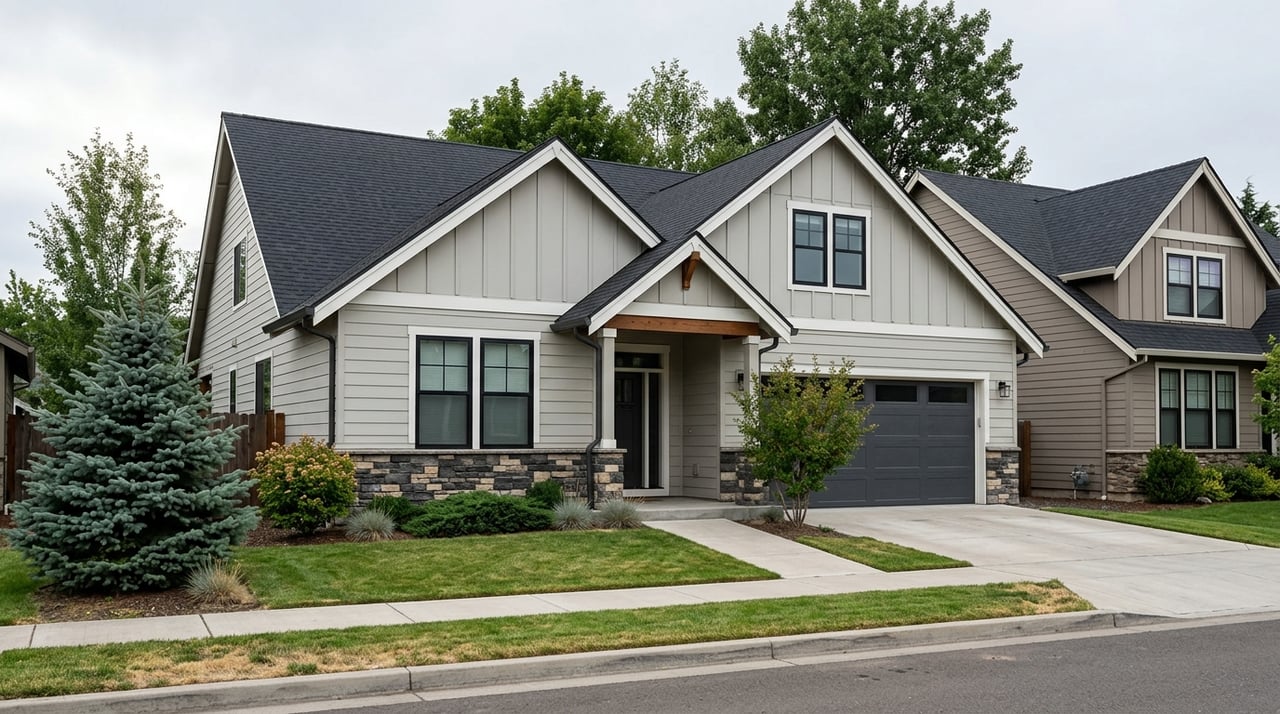
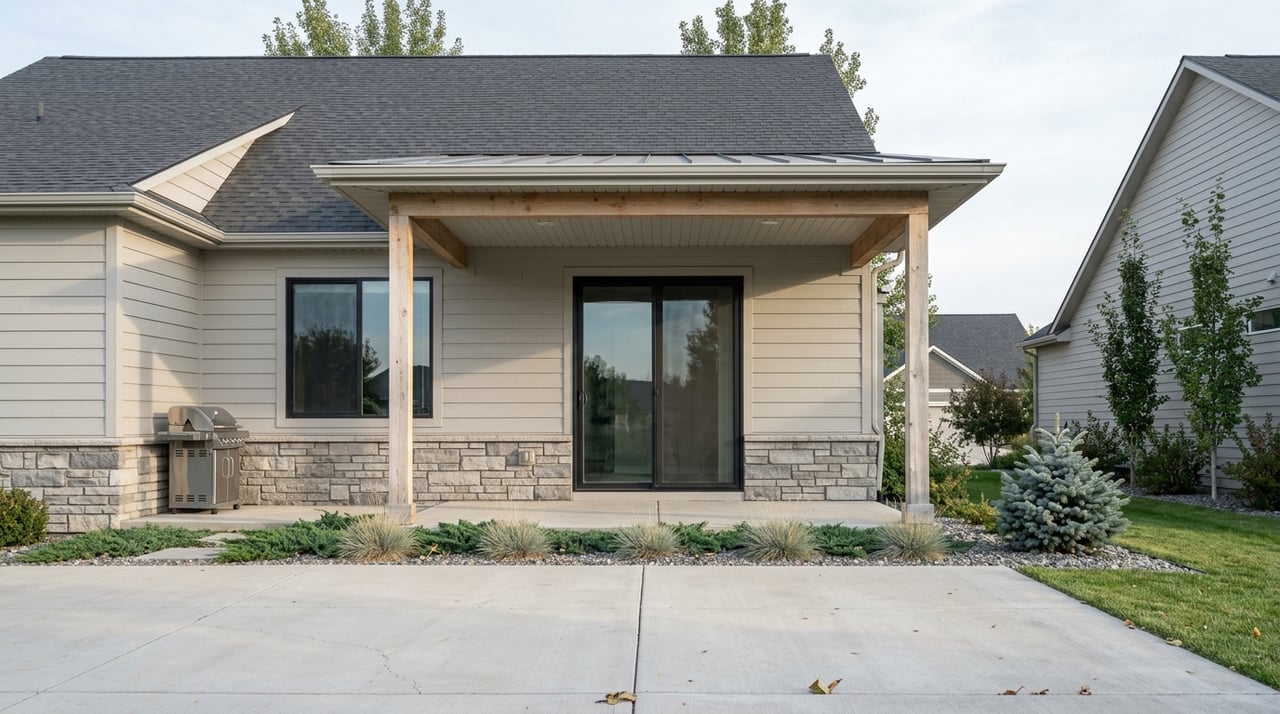
The city identifies single-family homes as the principal housing type. Its planning goals also support connected streets, sidewalks, and pedestrian-oriented design, which helps explain why many newer communities focus on open space, front porches, and walkable layouts instead of just house size alone.
What new construction looks like in Chubbuck
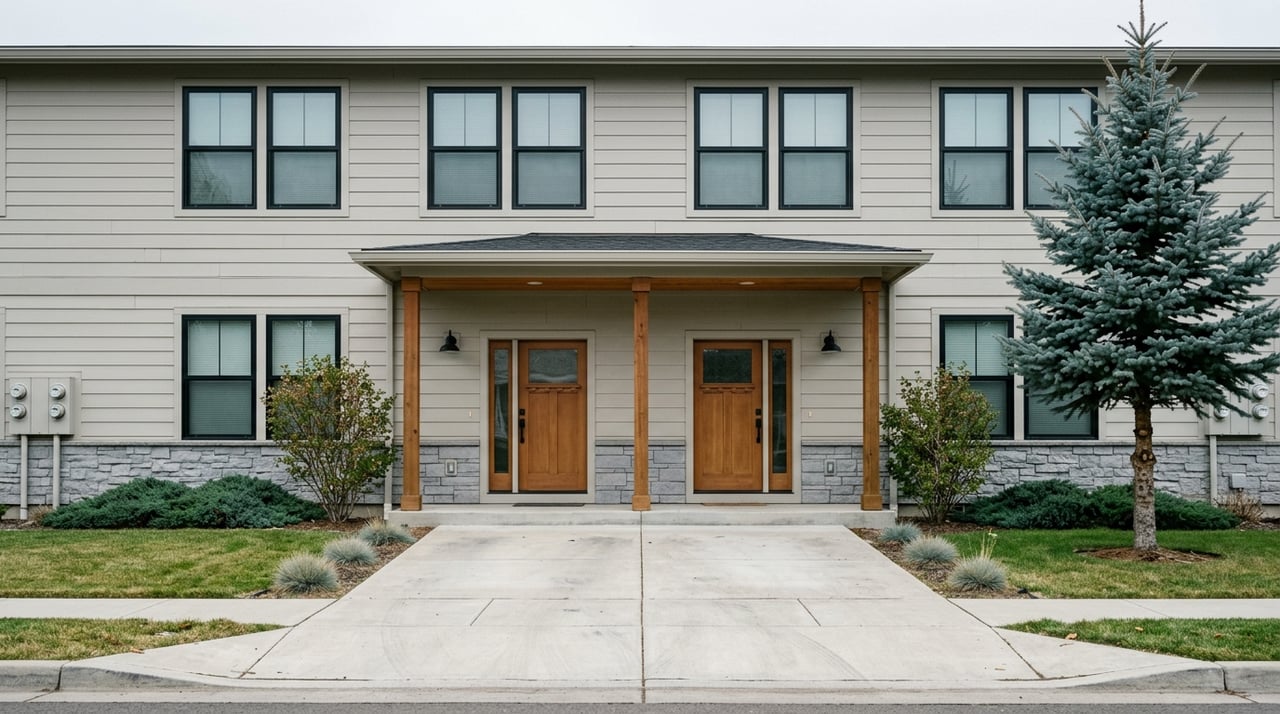
New construction in Chubbuck is not a one-size-fits-all market. You will find a mix of planned neighborhoods, creative-community developments, age-targeted options, and infill opportunities on individual lots.
Based on current builder examples, many new homes in Chubbuck fall somewhere between roughly 1,300 and 3,500 or more square feet. Common features include single-level ranch layouts, 2- or 3-car garages, and options for basements or bonus rooms.
Harvest Springs overview
Harvest Springs is one of the clearest examples of Chubbuck’s Creative Community zoning. The project emphasizes parks and open space, rear-loaded garages, and decorative front porches, which creates a neighborhood feel that is different from a traditional subdivision built around front-facing garages.
The published size rules vary by lot size. Lots of 0.20 acres or more require at least 1,400 heated square feet for a ranch plan or 2,400 square feet for a two-story home, while smaller lots have lower minimums. The community page also shows a 2021 plat with 47 lots and recent examples around 0.15, 0.19, and 0.21 acres, with at least one under-construction home listed at $429,900.
Northside Crossing overview
Northside Crossing offers a different model. It markets 7.1 miles of walking paths, 36 acres of greenspace, more than 36 home sites, and 4 commercial lots, with housing options that include 55+ townhomes, 55+ single-family homes, and traditional homes.
For buyers considering a traditional home there, the builder says presold homes can be customized before construction. The neighborhood also notes that all homes will have a front porch and that the community is connected by a walkway system. Published floor plans range from 1,527 to 3,119 square feet, with optional bonus rooms on several plans.
Infill and lot-based opportunities
Not every new home in Chubbuck is inside a master-planned neighborhood. Some options come through lot-based building opportunities, which may appeal to buyers who want a different lot size or a more customized setup.
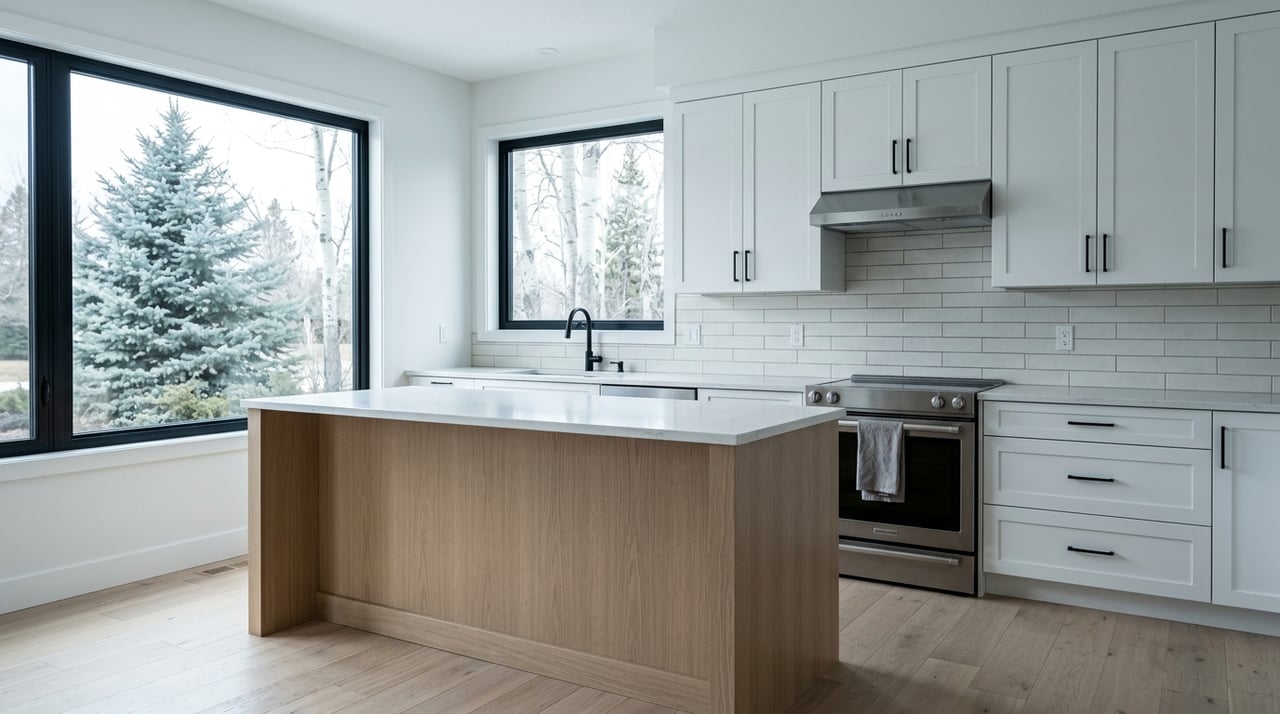
One Bilyeu Estates example shows a 0.30-acre lot, and the community page says lots are about a quarter acre with roughly 100 lots in the subdivision. Other current examples in Chubbuck show 0.20-acre lots and floor plans such as the Concord, which includes 1,411 square feet on the main floor, a basement, and included appliances.
What details matter most when comparing homes
When you compare new construction in Chubbuck, the headline price only tells part of the story. The more useful comparison usually comes down to how the lot, layout, and included features line up with your budget and daily life.
Here are the details worth comparing closely:
- Subdivision type and neighborhood layout
- Lot size
- Front-porch and garage orientation
- Basement finish level
- Included appliances and features
- Irrigation availability
- Whether the home is presold, build-to-suit, under construction, or nearly complete
These factors can affect both your upfront cost and your long-term satisfaction with the home. In Chubbuck, they often matter just as much as bedroom count or square footage.
How the local building process works
Chubbuck’s new-construction process is shaped by both building rules and planning review. That means your timeline may depend not only on the builder’s schedule, but also on permits, code compliance, and whether the project needs planning approvals.
The city’s Building Division says Chubbuck has adopted the 2018 International Residential Code, 2018 International Building Code, 2018 Existing Building Code, and 2018 International Energy Code. For a residential permit, the city requires two sets of plans, a complete site plan, and energy-code compliance forms.
Planning approvals can affect timing
Some projects move forward quickly because the lot and plan are already approved. Others may take longer if they involve an annexation, zone change, conditional use permit, or design review.
That matters because Chubbuck’s Land Use and Development Commission meets on the second Tuesday of each month, and complete public-hearing applications are due 28 days before the hearing date. If your project needs that level of review, the timeline can stretch beyond the usual construction schedule.
Builder workflows are often semi-custom
Local builder process pages show a fairly standard path. In many cases, you choose a plan, community, and lot, sign a purchase agreement, make your selections, and then move into construction.
Thomas Nelson says a $500 earnest-money deposit formalizes the contract, selections must be priced before construction begins, and permits typically take 2 to 6 weeks to issue. Satterfield says full custom pricing often takes about two weeks, and earnest money starts at 5% of the contract price when the builder carries lot financing.
Selections shape both price and timeline
Your finish choices can be exciting, but they also affect your total budget. Flooring, cabinets, countertops, appliances, basement finish, and lot premiums can all change the final number from the starting list price.
Gate City also notes that its design coordinator helps clients through finish selections across different budgets and timeframes. That kind of structured selection process can be helpful if you want customization without losing control of the timeline.
Budget beyond the purchase price
One of the biggest mistakes buyers make with new construction is focusing only on the list price. In reality, your full budget should include utility setup, possible lot premiums, upgrades, and the monthly cost of owning the home after closing.
Current builder examples suggest that Chubbuck new construction often lands in the mid-$400,000s for typical single-family homes. Two published examples include a Harvest Springs home at $429,900 and a Bilyeu Estates home at $470,000, though those are example list prices rather than a market average.
Utility costs to plan for
Chubbuck publishes a useful monthly utility baseline. The city lists a base monthly rate of $118.34 for water, wastewater, and sanitation before usage, with water at $32.10 plus $1.54 per 1,000 gallons, wastewater at $67.06, and sanitation at $19.18.
The city also says a deposit is required to start service. In some subdivisions, secondary pressurized irrigation water is available, and the sprinkler or backflow permit fee is $15, which is another small but useful line item to keep in mind.
Property-tax relief may help
If the home will be your primary residence, Bannock County says the homeowner’s exemption removes 50% of the value of a primary residence and up to one acre of land, capped at $125,000. The application must be filed by December 31.
The county also lists property-tax reduction, veteran benefit, and deferral programs for eligible owners. These programs may help lower your carrying costs, so it is worth checking how they fit your situation.
New construction versus resale
For many buyers, the real choice is not just which new home to buy. It is whether new construction makes more sense than a resale home in Chubbuck.
New construction often appeals to buyers who want modern efficiency features, current building-code standards, and lower near-term maintenance risk. The U.S. Department of Energy says new homes can save energy and money, improve comfort, and be more cost-effective to insulate during construction than to retrofit later.
Resale homes offer a different decision path. In practical terms, resale buying often centers more on current condition and repair negotiation, while new construction tends to center more on plan selection, builder contract terms, and finish choices.
Why inspections still matter
Even with a brand-new home, you should stay careful and informed. The Consumer Financial Protection Bureau says buyers should schedule an independent inspection as soon as possible, review closing documents carefully, and keep their own lender and insurance decisions in the process.
That extra layer of review can help you understand the home more clearly before closing. It is a smart step whether you are buying a nearly complete spec home or a home being built from the ground up.
How to shop smarter in Chubbuck
If you want to explore new construction with confidence, start by narrowing your priorities before you fall in love with a model home or floor plan. A clear plan makes it easier to compare communities and avoid budget surprises.
Focus on these questions first:
- Do you want a planned community or a more traditional lot-based build?
- How much yard space do you want?
- Is a basement important to you?
- Do you want a home that is move-in ready soon, or are you comfortable waiting through construction?
- Which features matter most if you need to keep upgrade costs under control?
- Would irrigation availability affect your decision?
Once you have those answers, the search becomes much more practical. You can quickly sort which Chubbuck options fit your timeline, your budget, and the way you want to live.
If you are comparing builders, it also helps to ask for a clear breakdown of included features, upgrade allowances, estimated permit timing, and expected completion windows. In a market like Chubbuck, those details can make one opportunity a much better fit than another.
If you are ready to explore new construction home options in Chubbuck, working with a local guide can make the process feel a lot less overwhelming. Marek Davis can help you compare communities, lot types, builder processes, and resale alternatives so you can move forward with more clarity and confidence.
FAQs
What types of new construction homes are available in Chubbuck?
- Chubbuck offers a mix of planned subdivision homes, Creative Community developments, 55+ options in some neighborhoods, and lot-based or infill new construction opportunities.
What size are most new construction homes in Chubbuck?
- Current builder examples suggest many new homes in Chubbuck range from roughly 1,300 to 3,500 or more square feet, often with ranch layouts, garages, and basement or bonus-room options.
What is one example of new construction pricing in Chubbuck?
- Published builder examples include one Harvest Springs home listed at $429,900 and one Bilyeu Estates home listed at $470,000, though these are examples and not a market average.
What city approvals affect new construction in Chubbuck?
- Depending on the project, timing may be affected by building permits, code compliance, and planning items such as annexations, zone changes, conditional use permits, or design review.
What utility costs should new-home buyers expect in Chubbuck?
- The city lists a base monthly rate of $118.34 for water, wastewater, and sanitation before usage, plus a required deposit to start service.
What property-tax benefit may apply to a primary residence in Bannock County?
- Bannock County says the homeowner’s exemption removes 50% of the value of a primary residence and up to one acre of land, capped at $125,000, if you file by December 31.
Why should buyers inspect a new construction home in Chubbuck?
- An independent inspection can help you identify issues, better understand the home before closing, and make more informed decisions during the purchase process.