Selling your home can feel simple at first until the real questions start piling up. How should you price it, what needs fixing, when do disclosures apply, and how do you avoid delays once an offer comes in? If you are planning to sell a home in Pocatello, this step-by-step guide will help you understand what matters most, what to expect, and how to move forward with more confidence. Let’s dive in.
Understand the Pocatello market first
Before you pick a list price or start booking photos, it helps to know what kind of market you are selling into. Current public data points to Pocatello as a market in the low-to-mid $300,000s, with many homes taking roughly a month to two months to go under contract.
That matters because this is not a market where you can ignore preparation and expect top dollar anyway. Buyers are active, but they still notice condition, pricing, and presentation. Early decisions often shape how much attention your home gets in the first few weeks.
Step 1: Prepare your home and paperwork
A strong sale usually starts before the listing goes live. This is the time to clean up obvious issues, gather records, and look at your home the way a buyer will.
Idaho’s residential seller disclosure form is a helpful checklist for this stage. It asks about roof condition, siding, foundation, water source, septic systems, mold, pests, hazardous materials, easements, zoning issues, additions made without permits, private or shared roads, homeowner association matters, and questions related to annexation and city services.
If your property is on acreage, near the edge of town, or in an area where city services may change, those annexation, easement, road, and permit questions deserve extra attention. Getting clear on those details early can help prevent surprises later.
Review condition before buyers do
You do not need to make every upgrade before selling. But you should know where your home may raise questions.
Focus first on issues that affect buyer confidence or inspections. A worn roof, visible water damage, unfinished repairs, or unclear permit history can become sticking points during negotiations.
Gather records and disclosures early
Idaho law requires sellers of most one-to-four unit residential properties to complete the property condition disclosure form and deliver a signed, dated copy to the buyer or the buyer’s agent within 10 calendar days after accepting an offer. The form is not a warranty, and it does not replace inspections, but it is an important part of the process.
If your home is newly constructed and has never been inhabited, there may be a limited exemption. Even then, annexation and city-services questions may still apply.
Know the rule for pre-1978 homes
If your home was built before 1978, there is another step to handle early. Sellers must disclose known lead-based paint hazards, provide any available records, give the buyer the required pamphlet, and allow a 10-day opportunity to test or inspect for lead-based paint hazards unless that right is waived.
For older homes in Pocatello, this is worth addressing before your listing is active. It is easier to prepare for this upfront than to let it slow down a transaction later.
Step 2: Price with discipline
Pricing is one of the biggest decisions you will make, and it deserves more than a guess or an automated estimate. In a market like Pocatello, where homes are moving but not disappearing overnight, price and condition work together.
A smart list price should come from recent comparable sales, your home’s current condition, and how buyers are likely to react when they see it online and in person. If your home shows well and compares favorably to recent sales, you may have more pricing strength. If it needs work, the market will likely factor that in quickly.
Avoid the “test the market” trap
It can be tempting to list high and see what happens. But in an active market with a selling window measured in weeks, not days, an overly ambitious price can cost you momentum.
The first stretch on the market often brings the most attention. If buyers see the home as overpriced compared with similar options, you may end up chasing the market instead of leading it.
Match price to condition
If your home needs repairs, you generally have a few paths:
- Fix key issues before listing
- Price the home to reflect its current condition
- Offer a repair credit later if needed
- Expect a longer marketing timeline
None of those options is automatically wrong. The best choice depends on your goals, timeline, and the specific condition of the property.
Step 3: Make the best first impression
Once the pricing strategy is clear, presentation becomes the next priority. Buyers usually see your home online first, so the listing needs to create a strong, accurate first impression.
Clean presentation and obvious repairs should be handled before photos whenever possible. In Pocatello’s current market, polished listings still stand out.
Focus on the basics that matter most
You do not need magazine-level staging to improve your home’s presentation. Start with the simple items buyers notice right away:
- Deep cleaning throughout the home
- Decluttering counters, shelves, and entry areas
- Touching up paint where needed
- Replacing burned-out bulbs
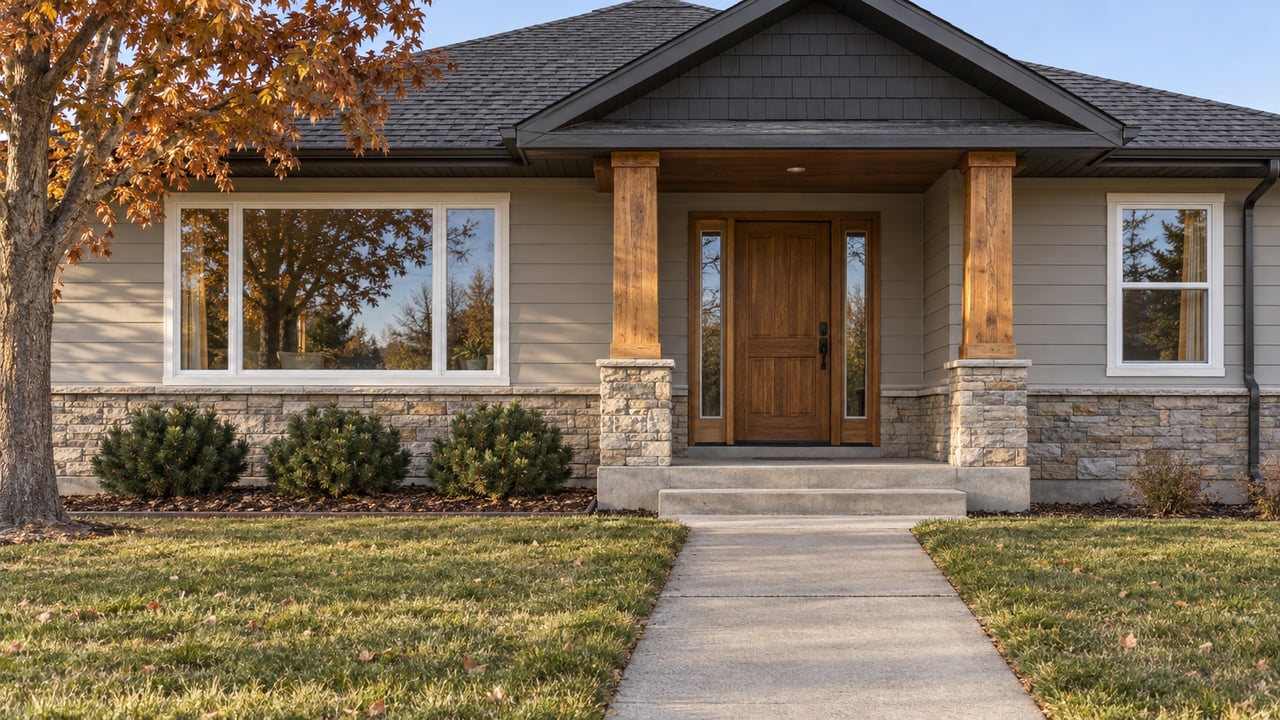
- Improving curb appeal with basic yard cleanup
- Finishing small visible repairs
Professional photos and a complete MLS listing help buyers understand the property quickly. Clear showing instructions also make the process easier once the home is live.
Step 4: Go live and manage showings well
When your home hits the market, speed and organization matter. Buyers may make decisions quickly, but that does not mean every offer will come in immediately.
Because Pocatello is active but not ultra-fast, sellers should be ready for showings, feedback, and some real negotiation. This is where staying flexible and informed can make a big difference.
Use showing feedback wisely
Feedback after showings can tell you a lot. If multiple buyers mention the same issue, such as condition, layout, or price, that information can help you decide whether to make a change.
Sometimes the right move is to stay the course. Other times, adjusting presentation or price early can improve results before the listing grows stale.
Step 5: Evaluate offers beyond the price
The highest offer is not always the strongest offer. Once offers come in, look at the full picture.
Price matters, of course. But financing strength, inspection expectations, requested concessions, and closing timeline can all affect how likely the deal is to hold together.
Compare the full terms
When reviewing offers, pay attention to:
- Offer price
- Type and strength of financing
- Inspection requests or likely repair expectations
- Requested closing date
- Any contingencies that may affect timing or certainty
Idaho’s agency guidance makes clear that in a client relationship, a brokerage helps negotiate acceptable price and terms, keeps sensitive information confidential, and presents written offers and counteroffers. For you as a seller, that means organized offer management is not just helpful. It is a key part of protecting your position.
Step 6: Handle disclosures and due diligence
After you accept an offer, the process shifts into due diligence. This is where paperwork, inspections, title work, and timelines all start to matter at once.
One important Idaho deadline is the seller property disclosure form. If it applies to your property, the signed and dated disclosure must be delivered to the buyer or the buyer’s agent within 10 calendar days after offer acceptance.
Expect inspections to shape negotiations
Even when you prepare well, buyers may still order inspections and ask questions. That does not always mean the deal is in trouble.
This stage often comes down to whether issues should be repaired, credited, or simply disclosed and accepted. The better prepared you were before listing, the easier these conversations usually become.
Step 7: Clear title and closing details
As closing gets closer, title review becomes one of the last major checkpoints. In Idaho, title insurance is not required by the state, though lenders may require a lender’s policy.
Title work still matters because it helps uncover problems such as forged or improperly executed documents, unrecorded easements, missing heirs, lack of legal access, or unpaid liens or assessments. For sellers, that means it is wise to deal with title questions as early as possible.
Why local records matter in Bannock County
In Bannock County, the Clerk and Recorder maintains and records land deeds, including water rights and adjudications. If your property involves acreage or water-rights questions, extra document review may be needed.
That is especially important for rural or more complex properties, where recorded details can affect timing at the end of the transaction.
Step 8: Double-check tax prorations
Property taxes are another detail worth reviewing before closing day. In Bannock County, the Treasurer issues property tax bills by the fourth Monday in November. Taxes may be paid in full or in two installments, with the first half due December 20 and the second half due June 20 of the following year.
For a seller, this means the closing statement should be reviewed carefully for tax prorations and any payoff issues. Small errors here can create last-minute confusion if no one catches them early.
Step 9: Stay focused through recording
A sale is not truly finished until the final documents are recorded. Late-stage issues can still come up, including title defects, unpaid taxes, or document problems.
This is why communication matters all the way to the finish line. Keeping the seller, buyer, title company, and lender aligned helps reduce the chance of delays right before closing.
Why local guidance matters in Pocatello
Selling a home is never just about putting a sign in the yard. In Pocatello, where the market is active but still price-sensitive, sellers often benefit from a plan that is realistic, well-timed, and locally informed.
That includes understanding Idaho disclosures, preparing for negotiation, watching the details in Bannock County records, and making sure your pricing matches what buyers are seeing in the current market. A steady, local approach can help you avoid preventable setbacks and move with more confidence.
If you are thinking about selling and want a clear plan for pricing, prep, and next steps, Marek Davis can help you build a strategy that fits your home and your timeline.
FAQs
How long does it usually take to sell a home in Pocatello?
- Current public market data suggests many Pocatello homes go pending in roughly a month to two months, though timing can vary based on price, condition, and presentation.
When do Idaho sellers have to provide a property disclosure form?
- For most one-to-four unit residential properties, the seller must provide a signed and dated disclosure form to the buyer or the buyer’s agent within 10 calendar days after accepting an offer.
What should sellers in Pocatello fix before listing a home?
- Sellers should focus first on obvious condition issues that may affect buyer confidence or inspections, such as roof concerns, water damage, unfinished repairs, or items that may raise permit or disclosure questions.
Do older homes in Pocatello need lead-based paint disclosure?
- Yes, if the home was built before 1978, sellers must disclose known lead-based paint hazards, provide available records, give the required pamphlet, and allow the buyer a 10-day opportunity to test unless that right is waived.
What matters most when reviewing offers on a Pocatello home?
- Sellers should look at more than price, including financing strength, inspection expectations, contingencies, requested concessions, and the proposed closing timeline.
What closing details should Bannock County home sellers watch closely?
- Sellers should pay close attention to title issues, recorded property details, tax prorations, and any payoff or document problems that could delay recording at the end of the transaction.